
Tooth Decay: What Does a Cavity Look Like, Causes and Treatment
Recognise the Signs Early and Learn How iHeart Smiles Can Help

What Does a Cavity Look Like?
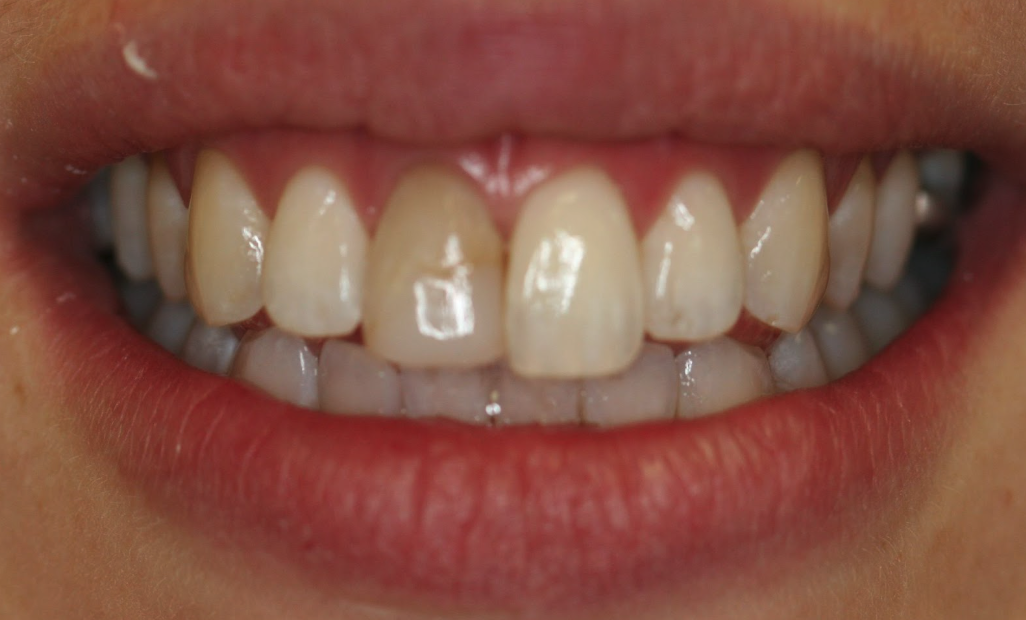
Tooth decay is one of the most common dental problems and often develops quietly before noticeable pain begins. Many people ask what does a cavity look like, but early decay is not always visible. It may start as a chalky white spot, progress to a brown or dark area, or appear as a small hole in the tooth surface as enamel breaks down.
As decay advances through the dental decay stages, bacteria penetrate deeper into the tooth, leading to sensitivity, aching or sharp pain. A decaying tooth may feel sore when chewing, respond to hot or cold, or cause persistent discomfort. In more severe cases, untreated cavities can lead to infection, abscess with teeth, wisdom tooth pain or widespread damage affecting surrounding teeth.
At iHeart Smiles, we focus on early detection and gentle treatment of tooth decay. Whether you are noticing early signs of tooth decay or experiencing ongoing pain, our team provides personalised care to stop decay, relieve discomfort and protect your long term oral health.
How To Treat Tooth Decay and Cavities
Dental Check-Up & Clean
Regular dental check-ups and professional teeth cleaning play an important role in maintaining long-term oral health. A routine appointment allows us to assess the health of your teeth, gums, and bite while removing plaque and tartar that cannot be cleaned away with brushing alone. For patients looking for teeth cleaning Gold Coast, a professional clean combined with a dental check-up helps maintain healthy teeth and gums while allowing us to detect small problems before they develop into larger issues.
Dental Crowns and Bridges
Dental crowns are custom-made caps that fit over a damaged or broken tooth, restoring its shape, size, and strength. Crowns are often used when a tooth is too damaged for a filling but can still be preserved. They provide protection and can improve the function and appearance of the tooth. Made from high-quality materials like ceramic or porcelain, dental crowns blend seamlessly with your natural teeth, providing a durable and aesthetic solution.
Dental Fillings
When restoring individual teeth, we often begin with dental fillings if the damage is minor. For more significant damage, an all-ceramic filling may be recommended to strengthen the tooth. Using a digital scanner, we design and mill a ceramic restoration that bonds seamlessly to your tooth, restoring both function and aesthetics as though the damage never occurred.
Root Canal Treatment
Root canal treatment is used to save a tooth that is infected or severely damaged. During the procedure, the infected pulp inside the tooth is removed, and the cavity is cleaned and sealed. This allows the tooth to heal and function normally, without the need for extraction. Root canals are a highly effective way of saving teeth, preventing the need for more invasive procedures like extractions.
Aesthetic Reconstruction Treatment
An Aesthetic Reconstruction becomes essential when both the smiling teeth and the back teeth that stabilise your bite are damaged. At iHeart Smiles, we take a comprehensive approach, assessing the root cause of the breakdown and designing a plan that restores full function while achieving smile perfection. By focusing on both functional needs and aesthetic dental solutions, our team delivers long-lasting results that help you be proud of your smile.
Oral Appliance Therapy
Oral health therapy offers a simple yet powerful solution for a range of dental and sleep concerns. We often recommend custom devices for patients dealing with bruxism, jaw pain, clenching, snoring, and mild sleep apnoea. These oral appliances are worn during sleep to support the jaw and airway, ease muscle tension, and protect against the damage caused by grinding and a worn smile.
Professional Dental Cleaning
Sometimes, the best next step isn’t a treatment or product — it’s a professional clean. If the services or solutions we discuss aren’t quite what your smile needs right now, we may recommend a dental cleaning instead. A professional clean helps remove built-up plaque and tartar, supports gum health, and creates a healthier foundation before moving forward with any other dental care.

Common Reasons for Tooth Decay and Cavities
Tooth decay develops when bacteria feed on sugars and produce acids that weaken and erode enamel. This process often occurs slowly and can go unnoticed until pain or visible damage appears. Understanding what causes decay helps explain why cavities form and how they progress through different stages.
Recognising the cause early allows treatment to begin before decay reaches deeper layers of the tooth, reducing the risk of infection, nerve damage or tooth loss.
What to Do When You Notice Toothache or Signs of Decay
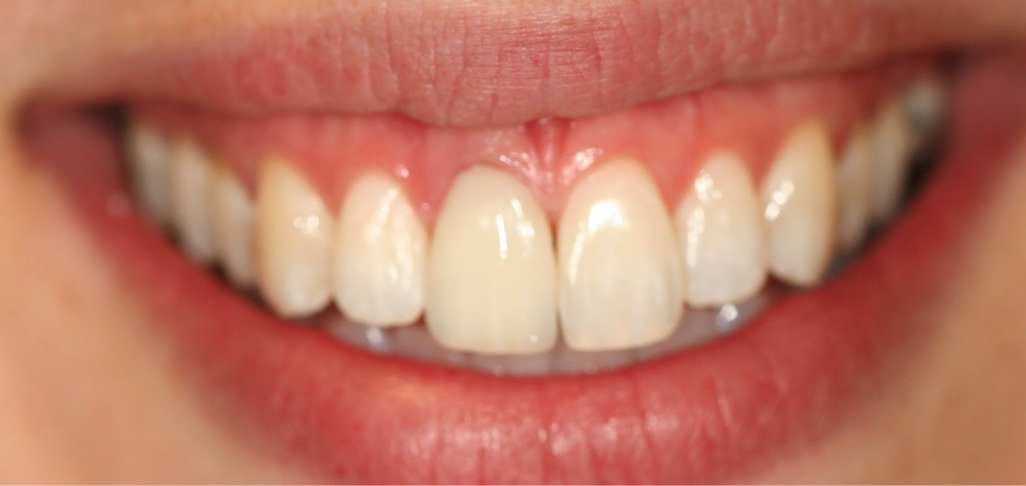
Treatment depends on how advanced the decay is and whether the inner nerve of the tooth has been affected. Early cavities can often be treated with simple fillings, while deeper decay may require more involved care to relieve pain, remove infection, and protect the tooth from further damage.

How to Prevent Tooth Decay and Cavities
Preventing tooth decay relies on consistent oral care, healthy habits and early intervention. Daily brushing and flossing, limiting sugary foods and attending regular dental visits all help reduce the risk of cavities, toothache and long term dental damage.
Locations on the Gold Coast & Tweed Heads
Where Are We Located?
Find our services in your area.


FAQs About Tooth Decay and Cavities
Everything you need to know before your appointment
A cavity may look like a white, brown or dark spot on the tooth, or appear as a small hole once enamel breaks down. Early cavities are often hard to see and may only be detected during a dental check before pain starts.
As dental decay progresses, the tooth may darken, chip or develop a visible hole. Advanced decay can cause sensitivity, pain or swelling as bacteria reach deeper layers and irritate the nerve inside the tooth.
Teeth ache when decay reaches the dentine or nerve of the tooth. Pain may occur when chewing or with hot and cold foods and often signals progressing decay that needs prompt dental treatment.
Tooth decay stages include enamel weakening, dentine involvement, nerve infection and abscess formation. Treating decay early can stop it from progressing and prevent pain, infection or tooth loss.
To reduce toothache pain, keep the area clean, avoid chewing on the affected side and seek dental care promptly. Pain relief may ease discomfort temporarily but does not treat the underlying cause of decay.
Yes, iHeart Smiles accepts all major health funds. We work directly with your health insurance provider to ensure your claims are processed efficiently. If you have any questions about coverage or need assistance with claims, please feel free to contact us at info@iheartsmiles.com.au or call (07) 5523 1666.
Still have questions?
We're here to help!